

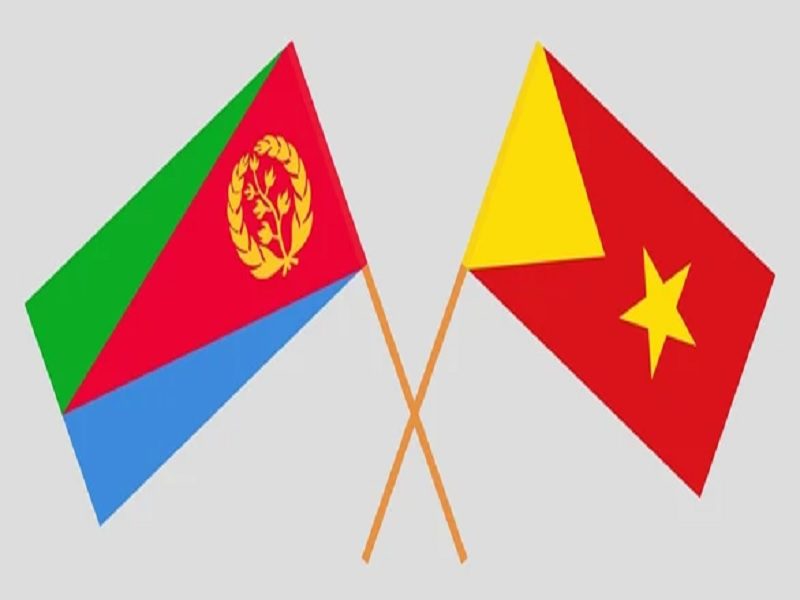
Observers are concerned about another humanitarian crisis in Ethipoia’s Tigray Region, where a second Northern Conflict has just broken out after the last one from 2020-2022, following the decision by the radical faction of the ruling TPLF party-militia to cut off communications. The last Northern Conflict led to the deaths of an estimated 600,000 people, most of them from Tigray and many thought to have been brutally slaughtered by Eritrean forces, which are now allied with the radicals this time around.
Reuters cited “Four people with knowledge of the matter, including a diplomatic source”, to report that “TPLF restrictions on mobile communications may be part of a tactic to neutralise government forces’ advantage in using battlefield drones, by preventing them from accessing the mobile network.” That’s logical in the military sense since the Ethiopian National Defense Force (ENDF) has drone superiority over the radical TPLF faction that seized control of Tigray, but it’s also cynical in a humanitarian sense.
Dr. Abel Abate Demissie, who’s an associate fellow at the Chatham House’s Africa Programme specializing on the Horn and an advisor at the Centre for Humanitarian Dialogue, posted that “Tigray is a cash-strapped region, and you have to pay through mobile apps even for a cup of coffee on the street. In 2020, there was some cash in circulation at least; now, you can barely find cash in banks, let alone in people’s hands. This could bring life to a complete halt – at least in transactions level. This is horrible.”
The radical TPLF faction obviously knows this, but they calculated that it’s better to impede the ENDF’s drone capabilities at the cost of catalyzing an economic crisis in their region that could easily evolve into a humanitarian one, and there are even more cynical reasons for this than it might seem as first glance. A controversial investigation by the BBC in 2010 cited a former TPLF commander during the group’s 1980s insurgency who claimed that only 5% of international aid at the time was spent on famine relief.
The rest went “directly or indirectly to support their military and political campaigns.” Back then, the Ethiopian famine was an international humanitarian cause, and the famous Live Aid concert that was held in 1985 raised around $100 million for the affected (95% of which reportedly never reached them). During the last Northern Conflict from 2020-2022, the TPLF was suspected of resorting to the same tactic, not only to enrich itself once more but also to manipulate perceptions about the crisis.
They hoped that global pressure on the federal government would lead to crippling sanctions for coercing major concessions from them or possibly even result in a Libyan-like military intervention under the highly contentious “Responsibility to Protect” doctrine. These cynical calculations are once again at play, but with Eritrea now serving as their ally, the radical TPLF faction might also hope that their patron could participate in an international aid corridor to disguise the smuggling of Egyptian arms to the group.
Any such role by Eritrea could be exploited by Asmara to manipulate perceptions of any ENDF offensive against them as allegedly aimed at “cutting off aid for genocidal purposes”. Going beyond the soft power consequences, this could lead to the deployment of allied Egyptian troops to Eritrea on the basis of defending this dual aid-arms corridor, after which some of them might then clandestinely fight against the ENDF inside Ethiopia. Preemptively exposing this dangerous plot is the only way to possibly avert it.


