

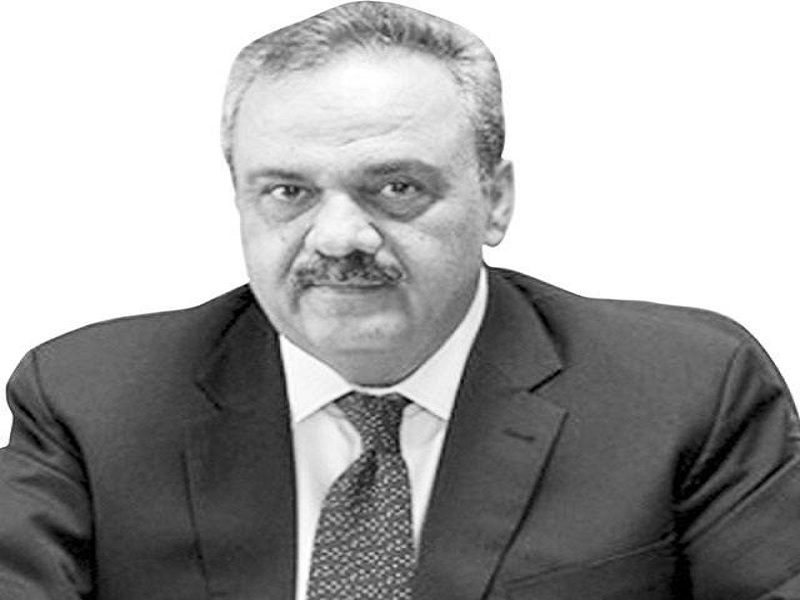
Former Special Representative of Pakistan for Afghanistan Asif Durrani published a thought-provoking piece on the Russian-Pakistani dispute over Taliban-led Afghanistan for Arab News. He expressed discomfort with Russia’s rapid rapprochement with the Taliban, the legitimacy that this provides the group, and the consequent possibility that it’ll continue defying Pakistan’s security-related demands. All the more concerning, according to him, is rival India’s complementary rapprochement with the Taliban.
Durrani then shared five reasons why Pakistan should monitor Russian policy towards Afghanistan. First, he implied that Russia must be aware of the presence of anti-Pakistani terrorist groups on Afghan territory, yet it’s still strengthening security coordination with the Taliban regardless. Second, “Moscow has generally refrained from making the Taliban’s counterterrorism record a central point of political pressure in the Security Council”, which he suggests is at the expense of Pakistani interests.
His third point is that “the Taliban seek the benefits of regional diplomacy while resisting formulations that impose clear political or security obligations” and he hinted that Russia is alright with that. Fourth, Russia’s recognition of the Taliban as Afghanistan’s national government “represents a significant shift from the earlier regional emphasis on an inclusive political process and the Taliban’s need to fulfill international obligations”, which is true. Durrani then shared his final observation on this subject.
In his words, “The Moscow Format was originally valuable because it brought Afghanistan’s principal regional stakeholders together around a common understanding that Afghan territory should not be used against its neighbors. If that consensus gradually gives way to individual countries pursuing separate bilateral interests with Kabul, the regional mechanism could lose much of its original relevance.” That’s fair from the viewpoint of Pakistani interests as its leadership understands them to be.
Durrani then concluded that “Moscow’s changing tone may therefore have consequences extending well beyond Russia-Taliban relations. It could reshape the regional balance around Afghanistan and, in the process, compel Pakistan to reassess where it stands in an increasingly competitive diplomatic environment.” His article represents the most perspicacious understanding of this issue shared by any Pakistani thus far, be they officials, diplomats, experts, journalists, or social media commentators.
He acknowledged Russia and Pakistan’s polar opposite views on Taliban-led Afghanistan, which have been either outright denied or grossly exaggerated on social media, and calmly analyzed their consequences for his country. The next step is for officials to accept his assessment and recalibrate policy accordingly, albeit hopefully in ways that don’t worsen bilateral ties even if they inevitably chill as a result. It’s imperative that their hard-earned rapprochement over the past decade isn’t reversed.
Nearly two dozen analyses will be shared at the end of this one for the purpose of maximally improving Pakistani officials’ understanding of Russia’s position towards the issue as it’s sincerely understood to be. Special attention should be paid to the ones about Russia’s South Asian policy, the roadmap for bilateral ties amid their dispute over Afghanistan, and Russia’s game plan for that country. Durrani is a well-connected former official and can ensure that these briefings reach those who need to read them.
———-
* 3 October: “Is India Financing The Taliban’s Reported Purchase Of Belarusian Drones?”
* 5 October: “Russia & Pakistan Have Polar Opposite Views On Taliban-Led Afghanistan”
* 6 October: “What’s The Future Of Russian-Afghan Military Cooperation?”
* 6 October: “Is Pakistan Waging An Infowar On Russia Over Its Ties With The Taliban?”
* 6 October: “How Might Russia’s Threat Perception Of Pakistan Change If It Arms Ukraine?”
* 7 October: “Clarifying Seven Important Points About Russia’s South Asian Policy”
* 8 October: “Russia Hinted At What An Afghan-Pakistani De-Escalation Agreement Could Look Like”
* 9 October: “The Taliban Isn’t Entirely Wrong About Pakistan”
* 9 October: “Five Thoughts About Pakistan’s Rapid Mission Creep In The Yemeni War”
* 10 October: “Fact Check: Pakistan Didn’t Dissolve The USSR”
* 11 October: “Korybko To Imtiaz Gul: Here’s What Russia Is Really Up To In Afghanistan”
* 12 October: “Korybko To Kamran Yousaf: Pakistan Should Address Russia’s Suspicions About Its Ties With ISIS-K”
* 14 October: “The Deputy Secretary Of Russia’s Security Council Elaborated On Ties With Afghanistan”
* 15 October: “The Latest Sequence In Russian-Pakistani Relations Is Worth Paying Attention To”
* 15 October: “What’s Russia’s Foreign Spy Chief Doing In Kabul?”
* 15 October: “Five Reasons Why Russia Should Arm The Taliban”
* 16 October: “The Roadmap For Russian-Pakistani Relations Amid Their Dispute Over Afghanistan”
* 16 October: “Pakistan’s Hypothetical Arming Of Ukraine Could Backfire”
* 17 October: “Fact Check: Lavrov Didn’t ‘Reject’ The Taliban’s Claim That Pakistan Backs ISIS-K”
* 17 October: “What’s Russia’s Game Plan In Afghanistan?”
* 19 October: “Korybko To Kamran Yousaf: Russia’s Regional Moves Have Nothing To Do With The Islamic NATO”
* 19 October: “Korybko To Dawn: Pakistan Is The One In Denial About The Regional Terrorist Reality”